What is Cloud-Native Application Protection Platform (CNAPP)?
A cloud-native application protection platform (CNAPP) is a converged security-tooling category for cloud-native applications and their underlying environments. According to the Cloud Security Alliance, representative capabilities can include Cloud Security Posture Management (CSPM), cloud workload protection, cloud infrastructure entitlement management, network security, and secure DevOps functions. Products differ in breadth and depth; CNAPP is not a standardized control set or CSPM alone.
Its distinguishing aim is to connect code, identity, configuration, workload, exposure, and runtime findings across an application lifecycle. For example, an internet-facing misconfiguration, excessive permission, and vulnerable workload may represent one connected risk rather than three isolated alerts.
What does Cloud-Native Application Protection Platform (CNAPP) do?
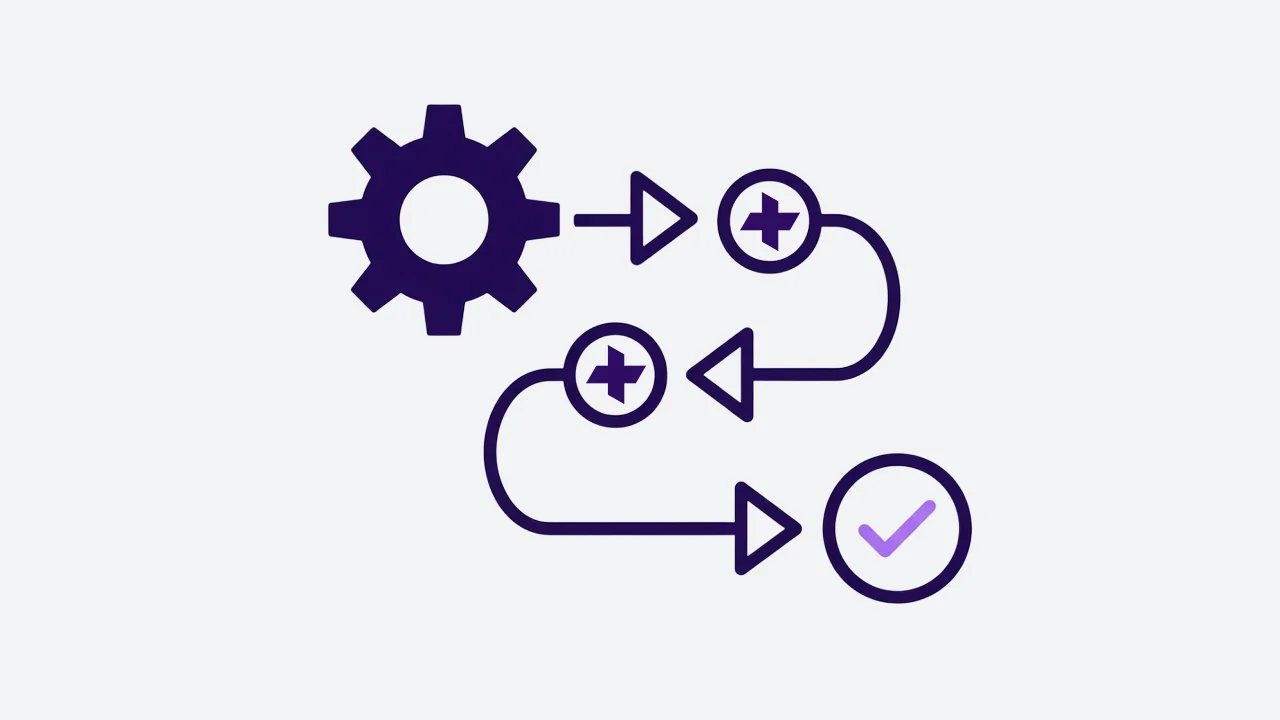
A CNAPP discovers and assesses cloud assets and application components, correlates findings, and adds deployment or runtime context to support prioritization. Security, platform, DevOps, application, and risk teams can use that context to route remediation to the responsible owner. Lifecycle coverage may provide development feedback, configuration analysis, entitlement review, workload monitoring, and runtime protection; the CNCF cloud-native security model spans develop, distribute, deploy, and runtime phases.
Deployment does not prove that applications are secure or compliant. Weak integration, incomplete coverage, poor tuning, or unclear ownership can centralize low-quality alerts instead of improving decisions. Organizations should evaluate data quality, contextual correlation, coverage of their architecture, workflow integration, remediation accountability, and validation. A CNAPP can strengthen Security Posture and reduce Attack Surface, but it does not replace secure architecture, governance, or operational ownership.